

Key Takeaways
- Simply put, petite patient body sculpting strategies have to be attuned to unique factors like skin elasticity, fat distribution, muscle definition, and skeletal structure for best outcomes.
- Skin elasticity and fat distribution are crucial factors when planning natural-looking body contours for a petite frame.
- Precision tools and gentle fat extraction preserve proportional balance and avoid overcorrection in more petite frames.
- A personalized approach that takes into account each body type, desired aesthetic, and patient input guarantees unique and rewarding results.
- Pairing surgical and non-surgical approaches with nutritional support, muscular conditioning and postural alignment care can optimize results and fuel long-term success.
- As we discussed, frank conversations and realistic expectations between doctors and patients are essential if you’re going to hit your body sculpting targets with a confident body image.
Little lady patient liposculpting plans that are specifically designed for girls with smaller frames. They tend to employ low-risk treatments with less downtime and tools that suit a more petite frame.
Popular options focus on fat reduction, skin firming, and muscle contouring. All choices prioritize safety and natural outcomes.
To assist in choosing the appropriate plan, the front of the book details every option with useful tips.
The Petite Framework
Body sculpting for petite patients requires a strategy that honors the nuances of small frames. The petite framework relies on three core ideas: respect for individual anatomy, ensuring results last, and mapping out a balanced look step by step. For petite bodies, even a small shift, say 1 to 2 centimeters in the waist or thighs, can transform the entire silhouette.
Knowing skin, fat, muscle, and bone structure is important when customizing choices that work with each person and maintain natural-looking results long term.
Skin Elasticity
- Prep your skin’s elasticity with topical retinoids, vitamin C serums and gentle massage prior to sculpting. Other patients might notice gains from radiofrequency or ultrasound-based skin-firming treatments. Hydrating and eating foods that contain collagen-building nutrients might assist.
- Skin quality dictates healing and the ultimate appearance post-carving. Thick, elastic skin shrinks best over new contours, but thinner or looser skin will wrinkle or sag. This is particularly important for petite patients, where a minimal area of laxity can be more pronounced.
- Enhancing elasticity pre-surgery can translate to more seamless outcomes and fewer touch-ups. Non-surgical skin tightening is a great step before fat removal or contouring.
- As petite frames mature, skin tends to lose its bounce faster, perhaps around the underarms or thighs. Age-related laxity shows up more obviously on petite frames, so planning should address both age and skin quality.
Fat Distribution
Petites accumulate fat in other areas, typically the hips, thighs, or lower belly. Deposits like these can be tenacious, and even the smallest pockets stand out on a petite frame. The volume and type of fat, soft and readily malleable or thick and fibrous, impact sculpting efficacy.
Certain sculpting techniques, such as liposuction, need to be more refined on little bodies to prevent irregularity. Understanding a patient’s individual anatomy allows us to direct the work to the right places without taking away too much.
For petite patients, removing even a little bit too much fat can skew the silhouette. Since we’re mapping proportions, metric tools help you plan safe and natural-looking changes.
Muscular Definition
Muscle tone shapes and supports the skin, so it counts a great deal on petites. With solid muscle definition, even a thin fat layer appears more sculpted. Pilates and resistance training help build tone prior to any surgical step.
Surgeons optimize fat removal with muscle preservation for best effect. Removing excessive fat or tissue can cause muscles to protrude too sharply, resulting in an unnatural appearance.
The trick is to retain enough fat to even out the body’s lines. Good muscle tone may quicken healing by increasing circulation.
Skeletal Prominence
So, while bone structure lays the groundwork for body shape, in petite individuals, bones such as the hips or collarbones may be more prominent, limiting how much fat or tissue can be safely removed or added. Certain plastic surgery treatments, such as small implants or fat grafting, consider this.
One surgeon handling all stages helps maintain an even look and minimizes revisions down the road. When designing, you have to look at the body as a whole, not just a single locus.
Adjustments to the waist can alter perceptions of the hips or bust. Thoughtful proportion mapping and honor for each individual’s distinct skeleton assist in constructing enduring, organic forms.
A Tailored Sculpting Strategy
About: A Tailored Sculpting Strategy It generates a plan that takes into account body shape, size, and composition. A customized carving approach. Pros suggest a comprehensive consultation to test skin firmness, elasticity, and health history prior to any intervention. Age, lifestyle, and medical history frame the strategy.
These treatments typically combine techniques like microneedling, lasering, and sculpting, all in pursuit of optimal outcomes. Specifically, to enhance body sculpting, shred fat, and maintain skin health.
1. Proportional Harmony
Proportional balance directs each phase. For petite ladies, it’s all about balance. That plan sculpts a body that appears natural and in proportion to the individual’s frame. A few individuals look to correct just one area, such as their thighs or arms, but the contour has to match all over.
Using visuals, either before and after photos or digital models, puts real targets in place. Physicians frequently inquire patients about their desires and demonstrate to them what to anticipate, ensuring they’re all in accord on the objective figure. Post-treatment feedback counts to fine-tune future plans.
2. Precision Instruments
Lite frames require precision instruments. High technology allows physicians to operate on small locations with reduced danger of damaging adjacent tissue. These precision tools, whether microcannulas or particular lasers, aid in extracting fat from difficult to access places.
The key advantages are reduced swelling and accelerated healing for small patients. Use these only for trained experts; it takes craftsmanship to achieve optimal effect without over-sculpting sensitive areas. They have training for dealing with small frames.
3. Conservative Removal
Light touch works best. Removing too much fat can cause the body to appear lopsided or artificial, particularly on a smaller frame. They employ slow, deliberate methods.
This might imply employing a succession of smaller sessions rather than a single, large session. Small shifts maintain body harmony and skin sleek. As always, patients need to discuss what is possible with their doctor. This way both sides compromise on what appears right and is deemed safe.
4. High-Definition Detailing
High-def sculpting adds detail. Surgeons use imaging tools, such as 3D scans, to customize your sculpting strategy. They map out exactly where to carve edges and smooth contours.
This is particularly helpful for petite frames, where every curve matters. The method assists in mixing treated and untreated spots. Surgeons master the minor adjustments that matter for petite people.
5. Dynamic Assessment
Body movement alters the appearance of sculpting. Doctors observe explicitly how posture and movement distorts the skin and form. By observing motion, they can tell what parts require increased or decreased attention.
Patient feedback in these spot checks assists in fine tuning the plan. It’s about a sculpting strategy tailored to real life, not just what looks good in repose.
Common Aesthetic Goals
Body sculpting for petite patients, in particular, is frequently about subtlety, balance, and proportion. Others seek to attain a more sculpted silhouette by honing in on specific regions such as the stomach, flanks, arms, or thighs. These can move when taking into consideration body type, medical history, and culture.
Others desire to firm and smooth their skin or combat the effects of aging. Most smaller framed ladies opt for a natural, elegant finish – no bold curves or dramatic transformations. Setting achievable goals is the secret. Talking openly during consultations helps inform clear, shared expectations and ensures the selected plan suits individual needs.
Elongation
Elongation techniques concentrate on making the body appear longer and leaner. This could include sculpting the waist to create a vertical line or employing light liposuction along the thighs and arms. By reducing excess from the flanks or outer thighs, the torso and legs can appear longer.
Certain treatments employ HD lipo to sculpt muscle lines that visually elongate limbs. Strategic sculpting of the waist and hip area frequently induces an illusion of height for petites. This type of transformation can build confidence for anyone who believes their frame appears boxy or compressed.
Elongation is important in achieving balanced proportions. A petite woman with a short torso could experience a dramatic visual difference from subtle reshaping. The appropriate design may provide the figure a pleasing, balanced silhouette while maintaining a natural appearance.
Definition
- Remove fat only where needed to keep natural shape
- Use small-volume fat transfer for subtle muscle highlights
- Maintain enough padding for smooth, healthy skin
- Avoid hollow areas or sharp lines that look unnatural
Fat transfer can assist to add subtle curves or fill dips, providing better definition without sharp cuts. It targets definition, not just weight loss, so results look soft and natural. When done correctly, this can increase satisfaction and maintain a healthy body image.
Curvature
Soft curves count towards a womanly figure. For petite frames, sprinkle in those curves in a soft, not over the top way! Common aesthetic targets include waist sculpting or adding a bit of volume to the hips.
Methods such as micro-fat grafting or carefully choreographed liposuction smooth lines and enhance curves without tensile strength. When consulting, patient desires direct the sculpting strategy. Some want subtle modifications, some may choose more noticeable curves.
Thoughtful listening and candid conversation are required to tailor the plan to individual aspirations.
Balance
Balance means balancing the upper and lower body so nothing looks off. Targeted sculpting of the abdomen, flanks, or thighs can even out the body, making it look more in sync. A fine plan takes the patient’s input and gets symmetrical on both sides.
Balanced shapes make people feel more confident in clothes and in everyday life. Balance between regions of the body tends to outweigh size alone. The aim is an effortless, natural appearance that suits the individual and their history.
Optimal Procedure Selection
Selecting the ideal body sculpting procedure for smaller patients is about much more than just opting for what’s popular or buzz-worthy. Miniature bodies don’t have a lot of room for error. Therefore, even a minor adjustment, such as 1 to 2 centimeters in the waist, breast, or thigh, makes a huge impact in both appearance and proportion.
There is no one size that fits all. That’s why the most effective solutions are ones crafted for each individual, considering their specific body shape, size, and what they’d like to modify.
Here is a markdown table outlining the advantages and disadvantages of typical surgical and non-surgical body sculpting options. This encompasses the durability of effect, predictability, and side effects.
| Procedure | Pros | Cons |
|---|---|---|
| Liposuction | Fast fat removal, precise shaping, one session | Skin may sag, recovery time, higher risk in older patients |
| Fat grafting (transfer) | Uses own tissue, natural look, long-lasting in some areas | Unpredictable survival, more swelling, extra steps needed |
| Non-invasive fat removal (e.g. cryolipolysis, HIFU) | No surgery, short downtime, can treat small areas | May need many sessions, results take time, less dramatic changes |
| Mini tummy tuck | Smaller scar, tightens lower abdomen, good for mild skin laxity | Only targets small area, not for large fat removal, still some downtime |
| Skin tightening (radiofrequency, ultrasound) | Helps mild skin laxity, no scars, minimal recovery | Works best with mild cases, results fade, may need repeat treatments |
Patient goals and body types are a huge factor in choosing which procedure is ideal. For instance, a petite individual with thin skin and mild fat deposits might achieve superior outcomes from a combination of gentle liposuction and non-invasive skin tightening rather than aggressive surgery.
A gal seeking a more aesthetic waist and hip curve might require a mini procedure with precision fat transfer. Each procedure influences tissue settling with time, which is more apparent in smaller patients.
In patients over age 40, skin management after fat removal becomes even more crucial, as the skin might not snap back as easily.
It’s not about pursuing some ‘perfect’ form. It’s all about the balance, a silhouette that suits the patient’s features and what feels comfortable to them.
That is, speaking candidly about what is feasible, sustainable, and risky. Side effects such as skin looseness, swelling, or requiring repeat visits should be disclosed up front.
The Recovery Difference
Recovery after body sculpting for petite patients requires a focused approach on both the body’s size and the mechanics of each treatment. Tiny bodies tend to recover a little differently, so the recovery process and expectations can change from your standard-sized patient. There aren’t any major questions surrounding the actual recovery process, aside from how quickly the body rebounds, what issues can arise, and how to keep healing on track.
| Procedure Type | Expected Recovery Timeline | Potential Complications (Petite Patients) |
|---|---|---|
| Liposuction | Soreness, bruising, swelling for 7–10 days; most back to light activity in 2–7 days; avoid strenuous exercise for 3–4 weeks; final shape in weeks to months | More swelling and bruising due to less fat padding; higher risk of contour irregularities; skin may take longer to tighten; more likely to feel discomfort with swelling |
| Non-surgical sculpting | Return to daily tasks right after treatment; results start to show after several weeks and improve with more sessions | Mild redness, swelling, numbness; less risk of serious issues; petite frames may see skin laxity if not enough fat is available for removal |
Liposuction recovery tends to be the hardest for petite patients. Most come away achy, bruised, and inflamed for a week at a minimum, sometimes longer. Pain meds are typical, and most need to restrict activity and work for 1 to 2 weeks.
Compression dressings help keep swelling down, cut the risk of blood pooling, and help skin stick back to its new shape. For some, the bruising and swelling are prolonged, and the ultimate appearance can take months. Petite patients have less fat and thinner skin, so even mild swelling can cause more pain, and skin can look uneven if it does not shrink back well.
Non-surgical sculpting is easier on the body. Most people return to their daily lives immediately because the procedure does not involve any incisions or anesthesia. The primary symptoms to observe are redness, slight swelling, or numbness, which dissipate quickly. For small frames, the loose-skin risk is a bit greater, which means choosing the best treatment counts.
The recovery difference post-op care is key for good results. Following every step a doctor provides, such as using a compression wrap or avoiding heavy exercise, results in fewer complications and an easier transition. It’s clever to maintain check-ins and inquire if something feels off.
Recovery is not only physical. It’s tough to wait for swelling to subside or to initially notice uneven skin. Emotional highs and lows are to be expected, but care teams and friends can provide support. Fair goal setting and understanding that recovery is a process can help relieve anxiety.
Beyond The Scalpel
Body sculpting for petites often requires a mix of surgical and non-surgical options. More than appearance, this changes. It sculpts the body while nurturing health, wellness, and confidence. On the podcast Beyond the Scalpel, we explore how the field is evolving with insights and anecdotes from industry leaders in plastic surgery and dermatology.
Most episodes revolve around how new technology and a whole-person plan can deliver superior results, particularly for those with lighter frames.
- Surgical and non-surgical methods complement each other. Surgery can eliminate or re-contour tissue in pockets that won’t budge with diet or exercise. Non-surgical treatments use things like radiofrequency, ultrasound, or injectables to smooth, tighten, or tone your skin. When considered together, they can provide more uniform, longer-lasting results.
For instance, the petite patient who gets lipo on the tummy then a non-surgical skin tightening session provides a leaner appearance and improved skin tone.
- New technology has transformed non-invasive sculpting. Devices now apply cooling, heat, or focused energy to target fat, with no cutting required. These choices require minimal downtime. They just slide into busy lives. Procedures such as cryolipolysis or hifu assist individuals who desire outcomes but cannot or won’t undergo surgery.
These devices can be calibrated for small frames, reducing the potential for lopsided outcomes.
- Patients need to consider all of their alternatives before planning. We often discuss on the podcast how every body is unique. A plan that works for a tall, broad person may not work for the petite girl. Medical teams — surgeons, nutritionists — can help build a plan that suits the patient’s needs, health and goals.
Nutritional Support
Diet determines the quality of the body’s healing and retention of modifications post-sculpting. A good diet provides the body with what it requires to repair tissue, combat inflammation, and prevent weight fluctuations. Small-framed patients can present unique demands.
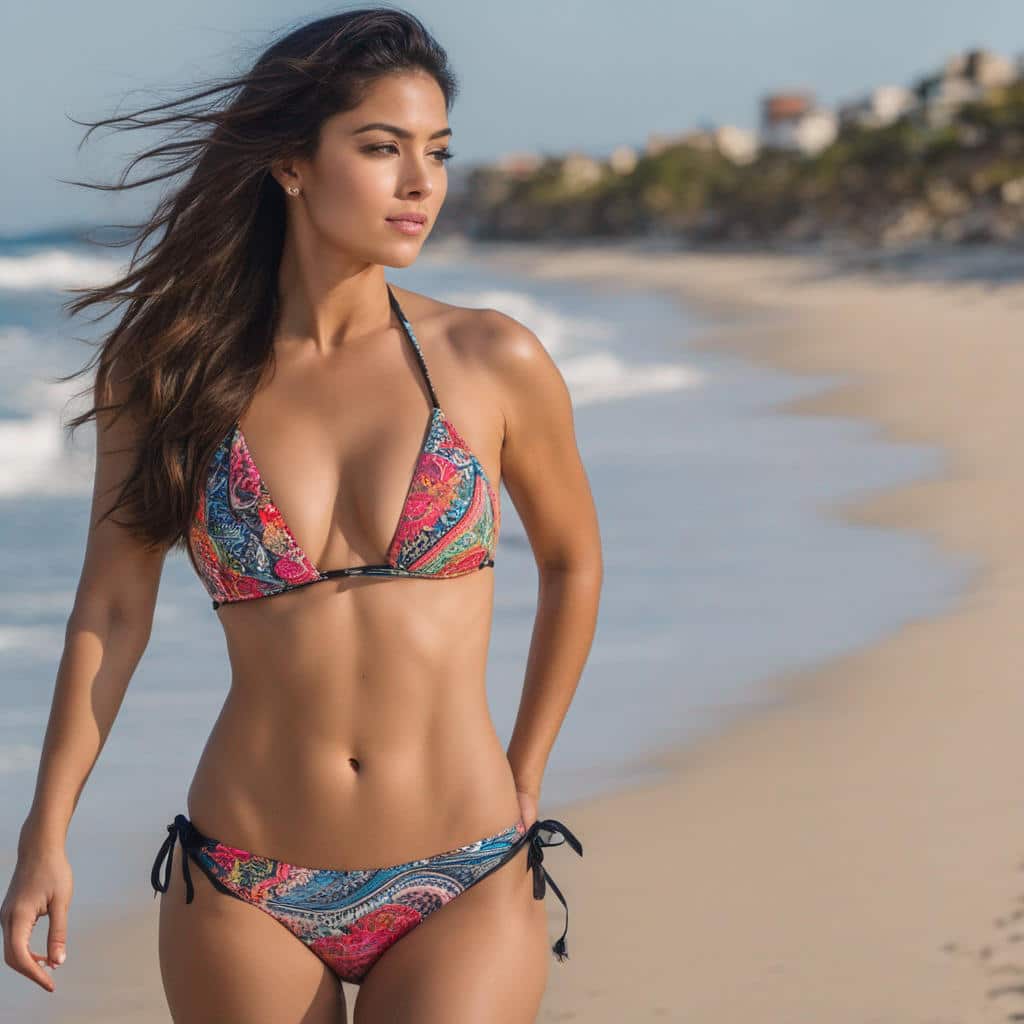
Too much or too little food can move results quickly. Post-op clean eating maintains those new curves and fuels your energy. Beyond The Scalpel: Lean protein, fruit, and whole grain meal plans that help healing. RD’s advice for petite frames.
Plenty of international resources for meal plans and healthy recipes, so it’s easy to find something for whatever culture or palate.
Muscular Conditioning
Introducing muscle care to the mix before and after surgery can make results last longer. Easy motions such as squats, lunges, and planks develop tone and assist in shaping the body. For smaller patients, mild weight training a couple of times a week can help prevent fat accumulation and provide a sculpted appearance.
Remaining active, even with walks or yoga, encourages healing and maintains results. A calm rhythm is more useful than hot, fast flashes. It is not all about vanity. It uplifts spirit and keeps individuals grounded for living.
Postural Alignment
Good posture does more than save your back. It can lengthen and slim the body, which is essential for those with small frames. Posture work after sculpting helps flaunt new shapes and maintains balance.
These easy rituals—stand tall, sit straight, stretch—keep your posture in line. A lot of recovery plans incorporate exercises that work your core and help support the spine.
Posture awareness aids with confidence, as feeling upright can perk up your self-image and mood. Patients are sometimes surprised that their new look pops more if they exercise their posture daily.
Conclusion
When it comes to sculpting a petite patient, specific objectives and personalized scheming perform best. Intelligent decisions in techniques, such as minimally invasive instruments or targeted approaches, assist in maintaining a natural, well-proportioned appearance. A small patient body sculpting plan involves rapid recovery and consistent care, which leads to results that stick. Easy-to-take steps, like open discussions with your care team and integrity self-audits, go a long way. A lot of tools work well, but choosing what fits your strategy is most helpful. Real results arrive with a patient, little body sculpting strategy. Want to maintain your best shape and love your look? Contact a reliable clinic or professional for advice that is real and tailored to you.
Frequently Asked Questions
What is body sculpting for petite patients?
Petite patient body sculpting plan It’s about creating an enhanced natural shape in a way that’s proportionate and safe.
How is the sculpting strategy tailored for petite individuals?
It’s a personalized body sculpting plan that takes into account your specific measurements and fat pockets. Surgeons utilize minimally invasive options and customize their approaches for the most natural-looking optimal outcomes.
What are common aesthetic goals for petite patients?
Popular targets include a trimmer waistline, contoured definition, and subtle accentuation. Most want natural results that complement their frame.
Which procedures are most suitable for petite body types?
Minimally invasive options like liposuction, non-surgical fat reduction, and muscle toning treatments are frequently suggested. These approaches are more secure and offer accurate outcomes for petite builds.
How does recovery differ for petite patients?
Smaller patients heal quicker from less tissue treated. You have to watch it carefully to be sure you’re safe and not at risk.
Are there non-surgical alternatives for petite body sculpting?
Well, non-invasive options like cryolipolysis and radiofrequency treatments can slim fat and tighten skin without scars or recovery.
What should petite patients consider before choosing a procedure?
Visit a professional petite patient body sculpting guru. We talk goals, risks, and realistic outcomes to provide you with the best and safest results.