

Key Takeaways
- With a staged approach to lipedema surgery, we can help you treat the areas that are most impacted by this condition while enabling you to recover slowly for optimal long-term results.
- Excellent consultation with physical exams and patient history is necessary to customize each patient’s surgical plan depending on the needs of the patient and the severity of lipedema.
- Surgical techniques like lymph-sparing methods and minimally invasive tools minimize risk and promote optimal healing.
- With lipedema, ongoing post-operative care such as conservative therapies and nutritional adjustments is key to managing the disease and maintaining your health after surgery.
- It plays a role in preparing for surgery and importantly, in recovery.
- Routine follow-up and patient education are key to early identification of complications and longevity following surgical intervention.
Lipedema surgery staged approach means doing a set of planned surgeries over time to treat lipedema, a chronic fat disorder. Physicians divide the treatment into more manageable phases in order to reduce the risks and assist with healing in between each procedure.
This technique usually involves liposuction and can be spread out over months. Patients might experience less pain and increased mobility.
To illustrate how the staged approach works, the meat of the post will go over key steps, safety, and results.
The Staged Protocol
A staged protocol is essential for lipedema surgery. This protocol stages the process, with each stage focusing on one area at a time. By spacing treatment out over two to four sessions, surgeons prevent volume overload that could cause complications.
Every stage has its recovery window, typically measured in weeks or months, to allow the body to heal and adapt. This clear roadmap means better patient safety and consistent results, along with continuous feedback that improves the protocol for subsequent patients.
1. Comprehensive Evaluation
At the start, a thorough evaluation sets the tone for success. Surgeons begin with detailed physical exams and imaging studies, like ultrasound or MRI, to see how far the lipedema has spread. This step is about more than just looking; it’s about understanding each patient’s unique needs and symptoms.
Patient history, including past surgeries, allergies, and any mobility issues, is analyzed to shape the plan. A report then pulls all this data together, offering a clear guide for the surgical stages that follow.
2. Lower Extremities
Legs and thighs are usually attacked first, since these are the regions that lipedema most often strikes. Most patients feel swollen, sore, or get limpy, which is difficult for daily living. Surgeons employ cautious techniques to minimize trauma.
Tumescent liposuction, for example, constricts blood vessels to reduce bleeding and accelerate healing. Recovery is closely observed here, as walking and standing are crucial to independence. They are light enough that patients can return to normal activities soon after, although complete healing takes a few weeks.
3. Upper Extremities
Lipedema can impact the arms and shoulders. Surgery in these areas hopes to reduce bulk, restore shape and restore normal function. Patient’s Arm Heaviness or Range of Motion Limitations.
Surgeons make various incision selections that provide the right blend of cosmetic alteration with muscle and nerve preservation. Recovery for arms is different than legs, and our team works on gentle motion and PT to ensure the appropriate amount of flexibility and strength.
4. Abdomen and Trunk
Once lipedema becomes widespread to the abdomen or trunk, it can impact body shape and contribute stress to the lower back. Surgical techniques in this area surrounding the abdomen need to cut through deeper layers of fat and maneuver around critical organs.
There is more risk of complications like fluid shifts or wound problems. Aftercare needs to be aggressive, with routine follow-ups, compression garments, and nutritional support to assist with body contour and healing.
5. Refinement Phase
Fine-tuning post major surgeries comes in last. Certain patients require additional treatments to address any remaining peaks or valleys or resolve minor fat pockets. Surgeons and patients stage goals for touch-up work.
By tracking progress with photos and check-ups, we help ensure results last typically for five years or more.
Why Stage Surgery?
A staged approach to lipedema surgery is key because lipedema usually involves large areas of the body and fat deposits that cannot be safely extracted in a single session. Surgeons have to operate within safe parameters to preserve blood circulation, skin integrity and bodily function. For instance, excising too much tissue at once can result in high risks of bleeding, fluid shifts, or slower healing.
Dividing the surgery into stages focuses on a major area like the thighs, calves, or arms. This reduces risk and maintains safety for the patient. Lipedema surgery doesn’t have to be all at once. There are real benefits to recovery with a staged approach. The reason for stage surgery is that every stage allows the body to heal before beginning treatment in the subsequent area.
Most patients require weeks or months to recover from each operation for the swelling to go down, wounds to close, and the body to adjust. Recovering in stages equals fewer complications and less burden on the body’s organs. For me, as someone balancing work, family, and a little personal health, this measured pace allows me to regain normalcy, as best as you can, between sessions.
For instance, a patient may have a session on the lower legs, heal for a few weeks, and then have their next session on the upper legs. This incremental approach allows individuals to maintain their normal schedules and schedule their days off with less uncertainty.
Staged surgery allows surgeons to construct a strategy that suits each individual case. Lipedema can manifest itself varyingly – from minor swelling in a single region to intense fat accumulation in multiple regions. Others might require just two, some three or four. They can be adjusted after each session depending on how the body responds.
If swelling or pain is greater in one spot, the schedule can pivot to cover that first. If the patient’s goals or health needs shift, the plan can shift as well. This makes staged surgery more adaptive and more likely to satisfy the patient’s requirements.
Patient participation counts at all phases. The lipedema patients themselves know what they need, what they can tolerate, and when enough is enough. By collaborating with the care team, they can provide input following each stage and co-design the subsequent steps.
This collaboration establishes defined objectives such as enhanced mobilization or an aesthetically superior contour and renders the experience transparent and less anxiety provoking. Staged surgery allows patients time to catch up with other treatments, such as compression or physical therapy, which are frequently required to achieve long term results.
Your Candidacy
Your lipedema surgery staged approach is not necessarily universal. Deciding if a person is a candidate begins with a thorough examination of health, stage of disease and preparedness, both physically and mentally. It is common to have a full preoperative workup, which typically means a minimum of two visits to cover every factor.
Physical Health
Doctors consider your entire health profile prior to surgery. A comprehensive health history is crucial. This means inquiring about any chronic illnesses, medication allergies, and previous operations. For instance, heart or lung conditions may require additional screenings, such as an EKG, particularly in patients older than 50.
Vital signs such as blood pressure, heart rate, and BMI are taken. Top surgical candidates have a BMI less than 45 and can walk at least a quarter mile. These particulars contribute to reduced postoperative and intraoperative complication risks. They urge people to maintain good habits, such as proper nutrition and exercise, to prepare for the procedure.
Doctors inquire about medications, supplements, and any previous treatments such as compression therapy or physical therapy. Patients should’ve at least given non-surgical options a shot. A screening form gathers this information prior to the initial visit.
Disease Severity
The stage of lipedema is charted on predetermined scales according to its distribution and impact. Early stages do not look like advanced stages, and that alters the surgical strategy. Mildly swollen folks may require less, whereas more fibrotic disease will necessitate staged approaches with multiple surgeries.
The kind of surgery, like tumescent or water-assisted liposuction, typically depends on the extent of the disease. Care plans change as the disease progresses, therefore frequent visits are required to tailor treatment. For instance, if swelling extends or pain intensifies, the schedule might invoke additional sessions spaced apart.
Doctors hear how lipedema impacts everyday life, from walking to working, and this informs what follows. Candidacy is not based solely on how apparent the symptoms are, but to what degree the disease impedes function.
Mental Readiness
Mindset is as important as physical fitness. Doctors see if patients understand surgery and have real, defined goals. Several clinics provide counseling or support groups to assist with stress and body image issues before and after surgery.
Others get nervous about their changing appearance or about rehabilitation. Frank discussions about anxieties, aspirations, and anticipations can assist. Preparing to execute aftercare, go to follow-up visits, and request assistance if necessary indicates mental readiness.
Committed and open patients tend to do better.
Surgical Methods
Lipedema surgery relies on a staged approach, with each procedure carefully designed to accommodate the patient’s needs and overall health. The primary technique is liposuction, typically performed during multiple sessions to maximize safety and effectiveness.
The average amount of fluid extracted each time is approximately 2,482 mL, almost 77% of which is pure fat. Post-liposuction patients can experience a limb size decrease; for instance, mean reductions of 6 ± 1.6 cm on the thighs. Most resume light activity the same day, although it may take weeks or months to fully recover.
Follow-up matters too, as most studies track progress 6 months after the last surgery, with a median total follow-up of 24 months.
- Tumescent liposuction
- Water-assisted liposuction
- Power-assisted liposuction
- Microcannula liposuction
- Lymph-sparing liposuction
Old-fashioned liposuction approaches fat elimination but might not spare lymphatic vessels, increasing the risk for lymphedema. Contemporary staged approaches now employ gentler techniques, smaller cannulas, and more cautious planning.
These newer methods cause fewer complications, less pain, less bruising, and better quality of life. Research indicates pain and total disability scores decrease post-operatively, and comfort and ability to walk increase. Staged surgery allows your body to heal by addressing one area at a time, which is ideal for long-term results.
Choosing the appropriate techniques for each patient counts. Things such as the stage of lipedema, skin condition, and whether or not lymphedema or other health problems are present influence the plan.
There is no one-size-fits-all approach. Surgeon skill is every bit as important as the instruments. The appropriate surgeon ensures your lymphatic system is safeguarded and paces each phase appropriately.
Lymph-Sparing Techniques
| Method | How It Works | Benefits |
|---|---|---|
| Tumescent Liposuction | Uses dilute anesthetic fluid, small tools | Less lymph injury, safer |
| Water-Assisted Liposuction | Gentle stream lifts fat | Fewer lymphatic side effects |
| Microcannula Liposuction | Very thin cannulas, precise action | Low risk of lymphedema |
Water-assisted and microcannula techniques both strive to spare lymphatic vessels. They reduce the risk of lymphedema, a serious swelling condition.
Surgically speaking, lymph-sparing techniques reduce chronic swelling and preserve healthy skin. Patients have to be informed about their lymphatic system and adhere to post-operative care protocols, such as compression and movement, to assist healing.
Technology Used
Newer surgical tools and imaging assist surgeons in locating and treating fat deposits more effectively. Surgical techniques include tools such as ultrasound-guided cannulas and power-assisted devices that assist in providing smoother fat removal.
Lymph vessels are visible in the imaging, so surgeons can avoid them. Small minimally invasive tools lead to smaller incisions, less pain, and quicker recovery. Many patients are walking out the same day.
Surgery recently adopted high-tech alternatives that reduce recovery time and increase accuracy. Technology implies improved tracking of patient results, facilitating individualized doorstep care.
For lipedema patients, these innovations translate to a safer operation, reduced risk of complications, and improved outcomes.
The Lifelong Commitment
Lipedema is a lifelong condition to manage, not a quick fix. Surgery, if you even choose it, is just one step in a lifelong path. Those with lipedema require lifelong care, periodic monitoring, and daily lifestyle adjustments to manage symptoms and prevent disease progression.
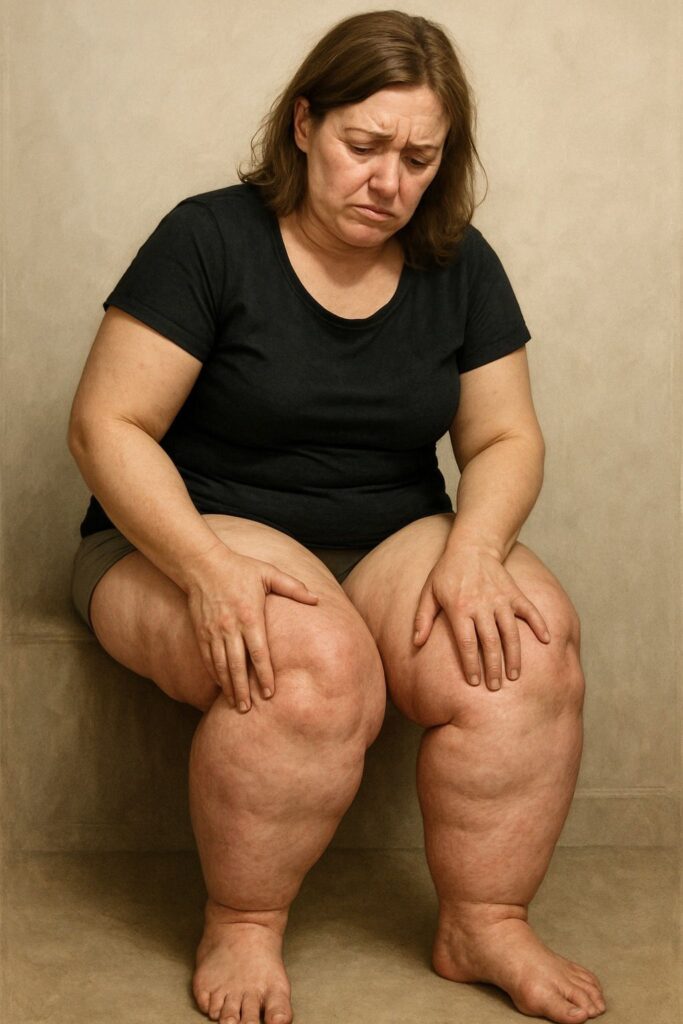
A team approach is best, with various doctors and therapists collaborating. Keeping yourself informed and supported helps you stay with the plan for the long haul.
Post-Operative Care
Post-surgery, post-care is essential for healing and longevity. Daily wound care, gentle cleaning and observation for infection keep wounds healing well. Pain is treatable with medicine, ice, and rest.
Swelling is expected, and wearing compression garments as instructed is essential. These clothes assist in managing swelling and preventing fluid accumulation. Patients owe it to themselves to not skip follow-up visits, as these enable doctors to monitor healing and correct issues early.
Activity must be minimal initially, with no strenuous lifting, running or hiking for a few weeks. Light movement, such as slow walks or stretching, is typically permitted a few days later. Every individual’s recovery is unique and therefore plans are tailored for each case.
Conservative Therapy
Not all assistance comes from surgery. Conservative therapy is still necessary for the majority of lipedema patients post surgeries. Compression leggings are donned every day to prevent swelling and pain.
These could be sleeves, hosiery, or wrap custom fitted. Physical therapy is another important milestone. Moderate exercise, such as swimming or cycling, aids your mobility and maintains joint health.
Therapists may instruct in massage or specific exercise regimens that assist in pushing fluid away from congested regions. A number of them use manual lymphatic drainage, a kind of light massage that makes fluid flow nicer. These steps are best implemented as daily or weekly routines and can really add up in terms of pain relief and mobility.
Nutritional Strategy
- Consume a diet that is heavy in whole grains, lean meats, and vegetables.
- Limit processed foods and added sugars.
- Drink enough water each day.
- Avoid crash diets or extreme calorie cuts.
What people eat affects their experience of swelling or pain. Inflammation-fighting foods, such as berries, fish, and leafy greens, can assist. Nutrients count, but so does balance.
Consuming consistent, satisfying meals can assist with weight management, which is crucial because lipedema is not due to obesity, though gaining weight can exacerbate symptoms. If you need assistance, your dietitian can help you establish a plan that suits your preferences and lifestyle.
Psychological Support
Mental health is underrated and a huge differentiator. Lipedema life entails frustration, anxiety, or even depression. Support groups, virtual or in-person, can provide individuals an opportunity to converse and gather information from others.
Professional counseling is another good choice. Folks need to discuss with friends, family, or doctors how they feel. Self-care assists as well. Basic stuff like sleep, exercise, and meditation can bolster mental resilience and get individuals through their uncertain journey.
Potential Complications
Lipedema surgery, typically staged, can provide actual relief for many living with this disease. Still, as with any surgery, there are potential complications. Understanding what can go awry and how to detect problems early has a big impact on results. Complications can be minor or more serious, and some can occur more frequently in individuals with certain medical backgrounds.
Typical complications associated with lipedema surgery are deep vein thrombosis, bleeding, mild phlebitis, anemia, and rare cases of fat embolism. One patient (4.0%) had a previous lower-leg deep vein thrombosis that recurred a week after liposuction. This underscores the importance of anyone with a history of clotting issues consulting with their care team ahead of surgery.
Postoperative bleeding occurred in a single patient (0.9%) and did not recur in subsequent surgeries. Mild arm-vein phlebitis, or swelling in a vein, made an appearance in approximately 1.8% of instances. There were isolated cases of postsurgical anemia requiring a blood transfusion (0.9%) and microscopic pulmonary fat embolism (0.9%). Most of these problems are rare, but being aware of the statistics helps establish realistic expectations.
Identifying potential problems early is crucial. Signs such as excessive swelling, escalating pain, shortness of breath or a sudden energy crash could be indicative of underlying issues. Deep vein thrombosis patients may be at greater risk, so keeping a close eye on them is all the more crucial. Prompt medical care can prevent most issues from escalating.
HOW TO REDUCE THE RISKS begin pre-surgery. Doctors have to look for things like obesity, lymphedema or diabetes as the paper revealed 80% of patients had at least one other health condition. Smart planning means discussing all health history, discontinuing certain medications, and adhering to guidance about mobility post-surgery.
Compression, getting up and moving early post-operation, and staying on top of your check-ups are easy yet effective means to help stave off clots and swelling. These steps apply to individuals of all backgrounds, as the risks and care requirements remain relatively consistent globally.
Being informed makes patients feel more empowered. In a minority, 14.3 percent experienced no change in their conservative therapy scores and 19.0 percent increased those scores after liposuction. Most, though, experienced durable benefit with no recurrence after a median follow-up of 2 years and stable results as far as 88 months out.
Staying on top of follow-up visits and reporting new symptoms is paramount for long-term health.
Conclusion
Lipedema surgery staged approach Each stage allows the body to heal slowly and steadily. This is how they reduce their risk and achieve superior outcomes. Physicians choose which areas go first according to health and necessity. Some heal fast, some a little slower. This staged plan leaves space to observe for issues such as edema or delayed wound healing. It provides an opportunity to tweak steps as things progress. First, consult with a physician familiar with lipedema. Inquire about stages, risk, and what to look out for post surgery. Maintain check-ins and healthy habits. Keep in close contact with your care team for optimal assistance.
Frequently Asked Questions
What is a staged approach to lipedema surgery?
Surgery in stages means that it is done in multiple sessions, not all at once. This minimizes risk and gives your body time to recoup in between sessions.
Why is lipedema surgery performed in stages?
Lipedema surgery is staged to reduce swelling, blood loss, and complications. It provides safer recovery and better outcomes for patients.
Who is a good candidate for staged lipedema surgery?
Best candidates are those who are in good general health, maintain realistic expectations, and have confirmed lipedema. It is important to meet with a specialist.
What surgical methods are used in the staged approach?
Popular techniques are tumescent liposuction and water-assisted liposuction. These methods seek to extract pathological fat and safeguard lymphatic vessels.
How long does recovery take after each stage?
Recovery time depends. Most resume normal activities within a few weeks. Final healing and results can take a few months.
What are the lifelong commitments after staged lipedema surgery?
Long-term care includes healthy nutrition, exercise, and compression. Continued follow-up with your physician is essential.
What complications are possible with staged lipedema surgery?
Potential complications are infection, swelling, bruising, and altered skin sensation. Selecting an experienced surgeon can minimize these risks.